

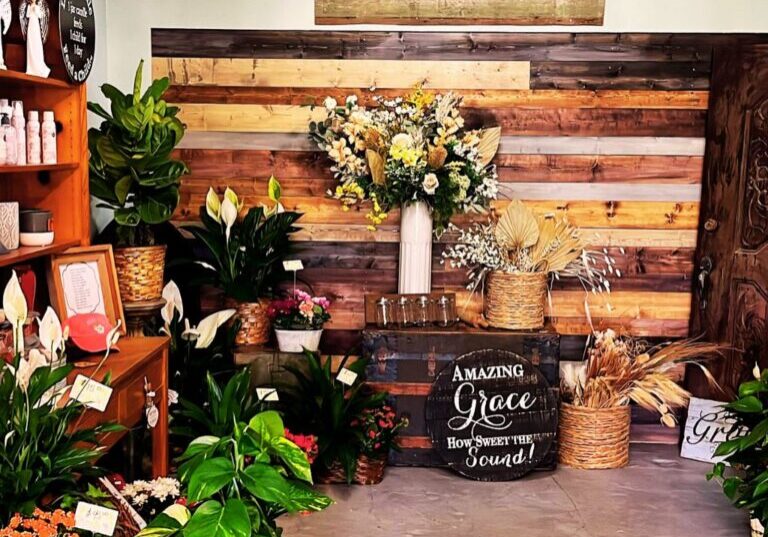
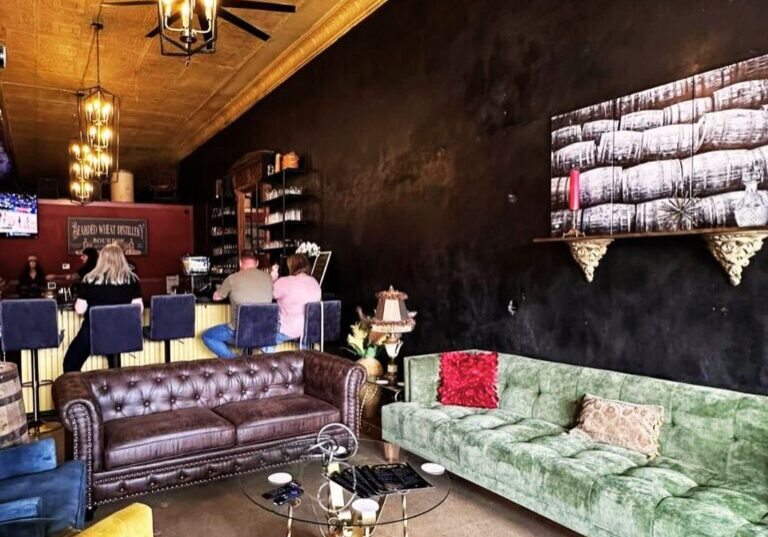
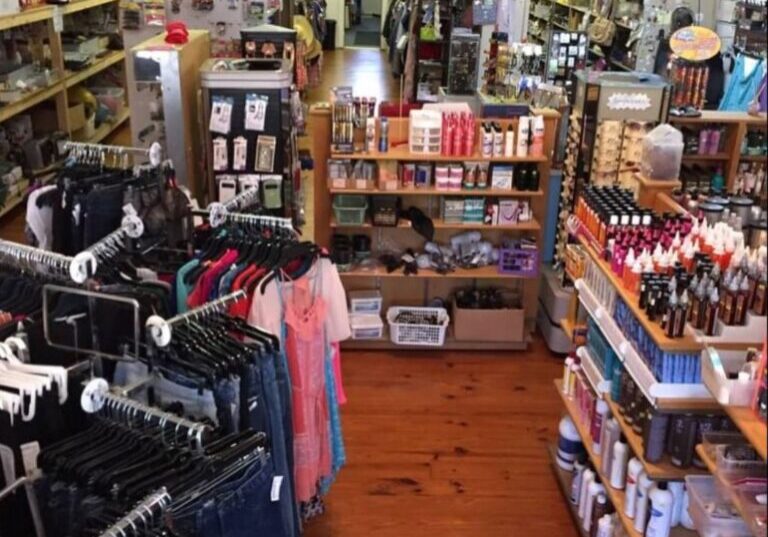
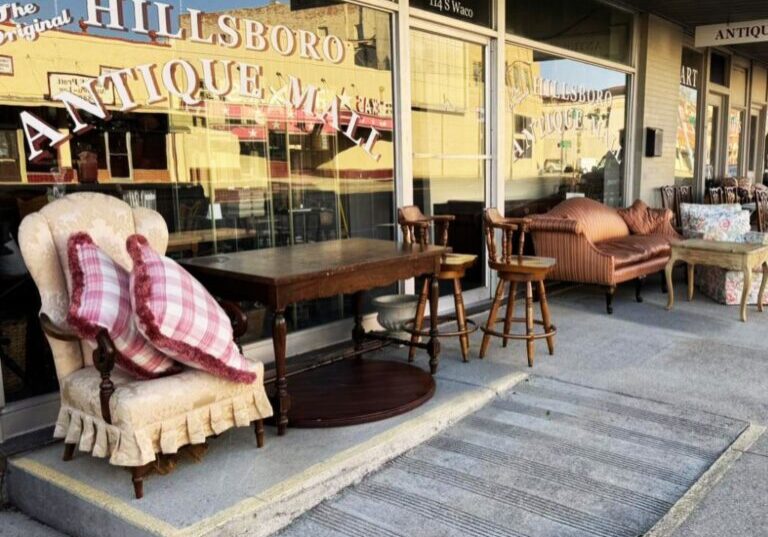
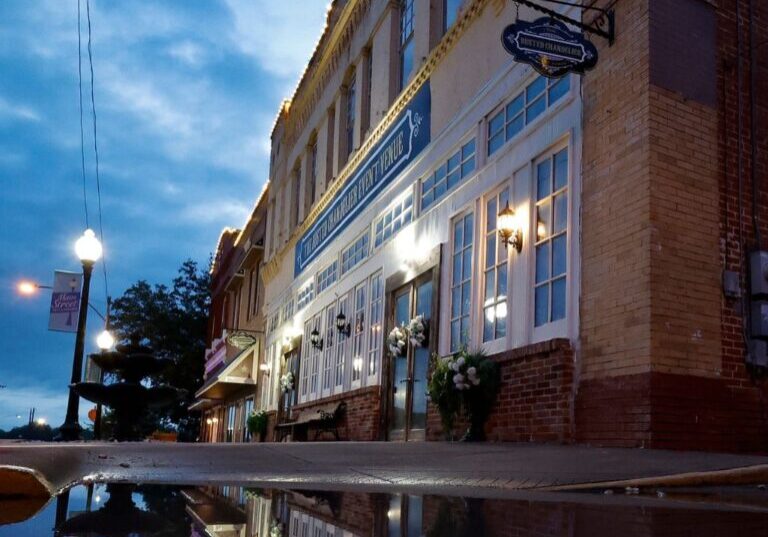
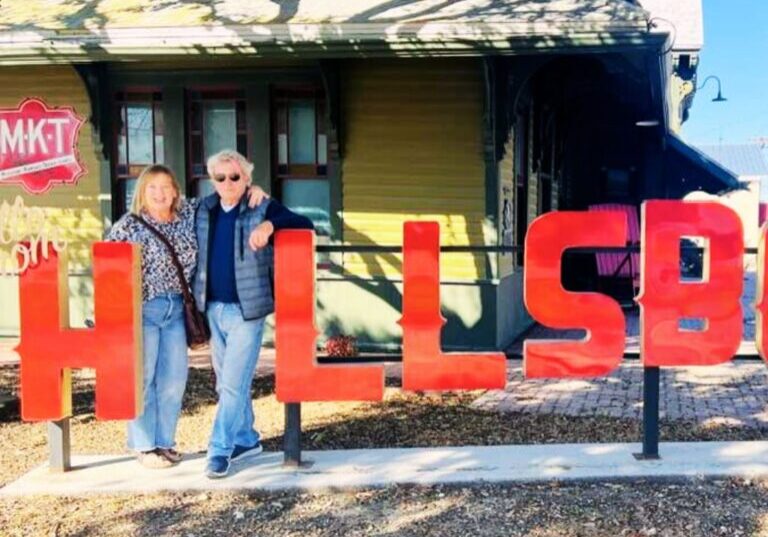
Downtown Hillsboro is about as uncomplicated as it gets. Our safe city is full of friendly faces, and places to enjoy stress-free strolls, meals, shops, photogenic scenes, peeks inside our museums, courthouse views, and pop up events and festivals.
There's something for everyone here.
Downtown Hillsboro is rich in history and recognized for its lasting commitment to preservation and revitalization. Named one of the original five Texas Main Street cities in 1981, it has earned statewide and national recognition, including being ranked among America’s Top 10 Main Streets in 2018.
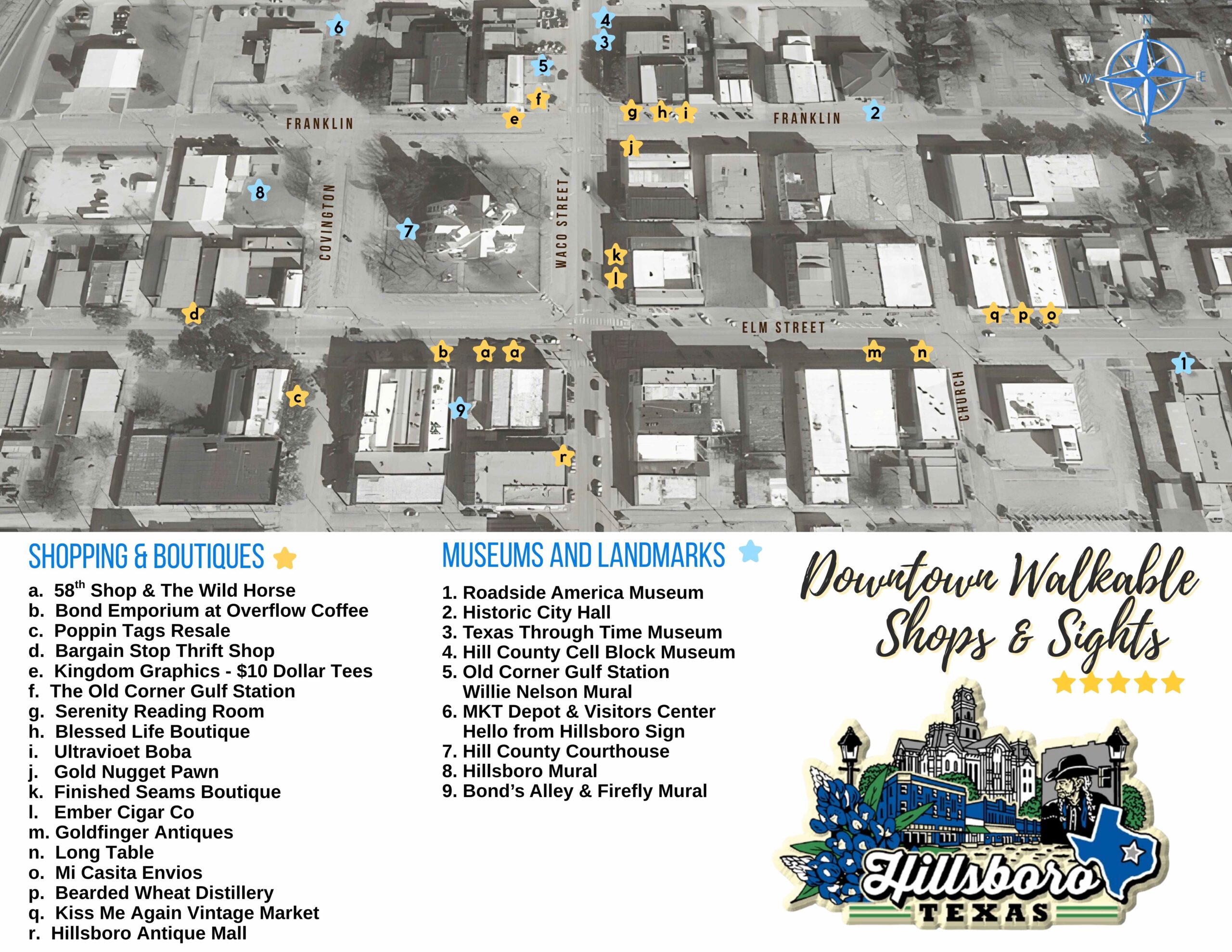
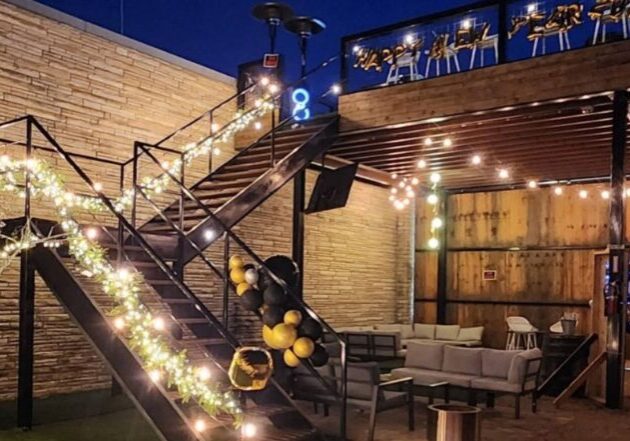
Centered around a stunning courthouse square, the district offers a vibrant mix of locally owned shops, restaurants, and inviting gathering spaces. Visitors will also discover our downtown has beautifully preserved landmarks, charming upstairs lofts, and a variety of professional offices and salons—all contributing to the unique character and energy of this thriving downtown.
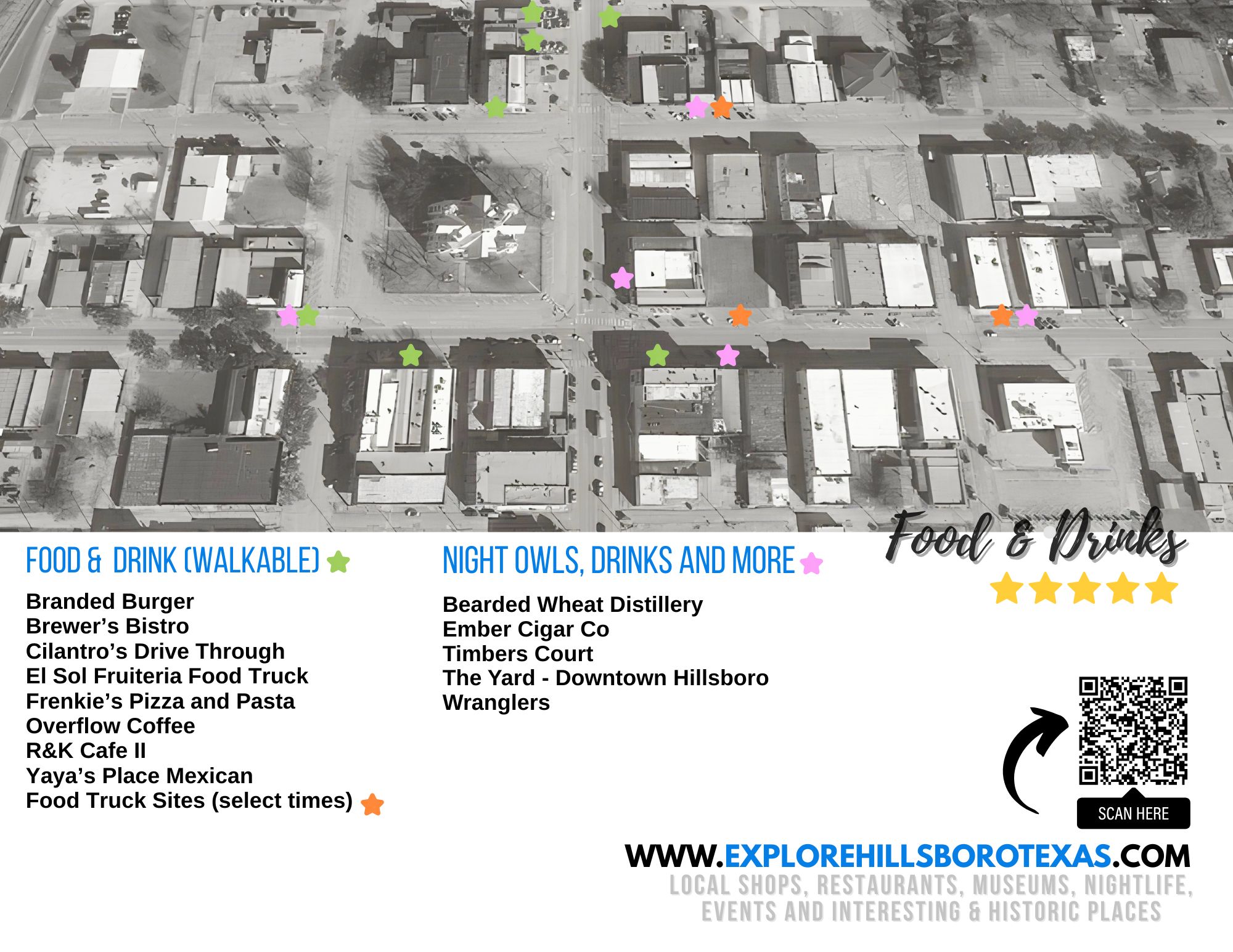
From May through October, downtown comes alive with festivals, concerts, and a popular Saturday farmers market. With three museums located right in the district, there’s always something to explore, experience, and enjoy.






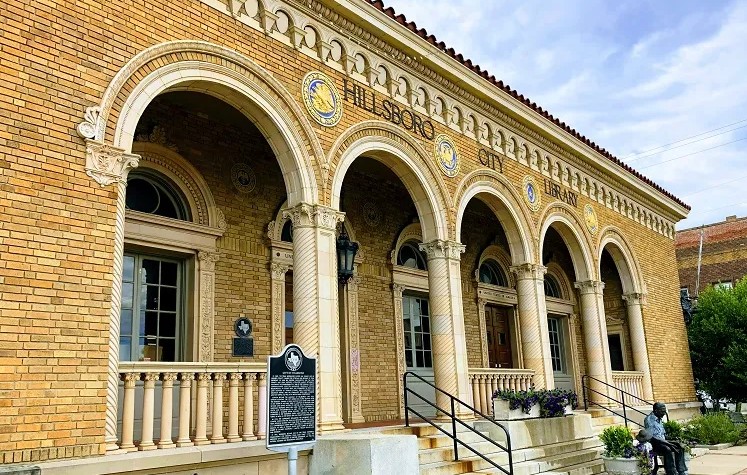
Hillsboro City Library
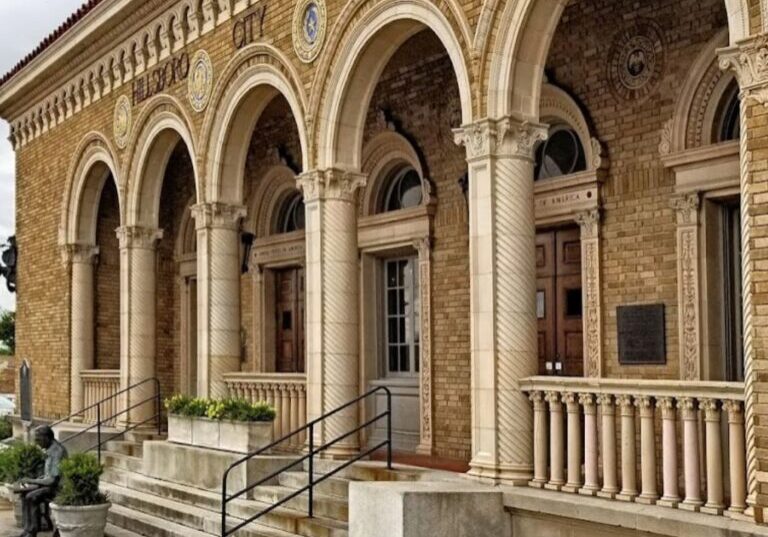
The building is a standing renaissance revival structure, and was built as a U.S. Post Office in 1913 and served this function until 1967, when it was sold to the City of Hillsboro and restored as the public library. The structure was designed as an adaptation of the Foundling Hospital of Florence, Italy, built by the Italian architect Ernest Kroner.
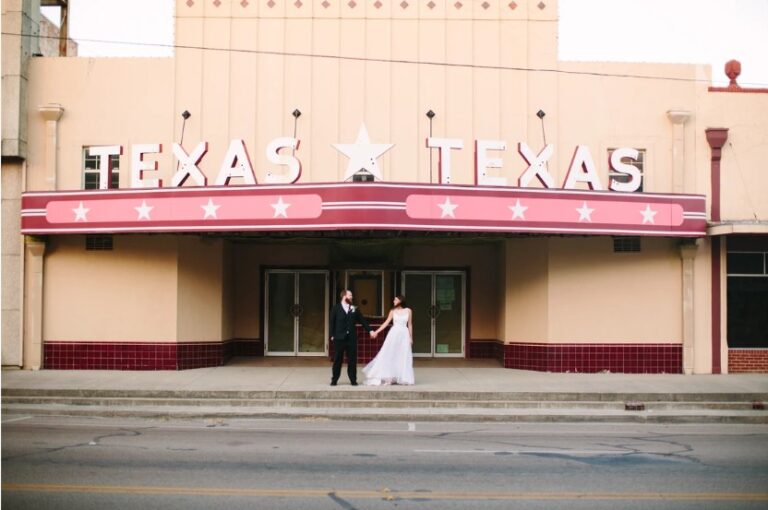
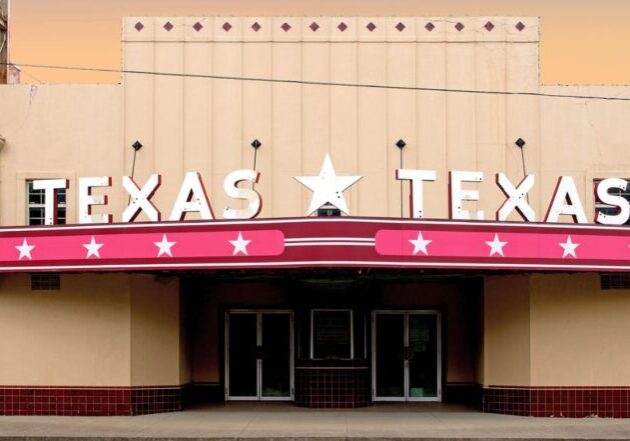
The Texas Theater
Originally the Palace Theater when opened in 1926, it was later renamed the Texas Theater in 1936 under Robb & Rowley. The iconic theater was a popular gathering place showing first-run movies, Westerns, and MovieTone newsreels that kept audiences connected to national news and World War II updates before television became common.
Today, the structure is under review, renovations and fundraising to restore and reopen as a multi use venue.
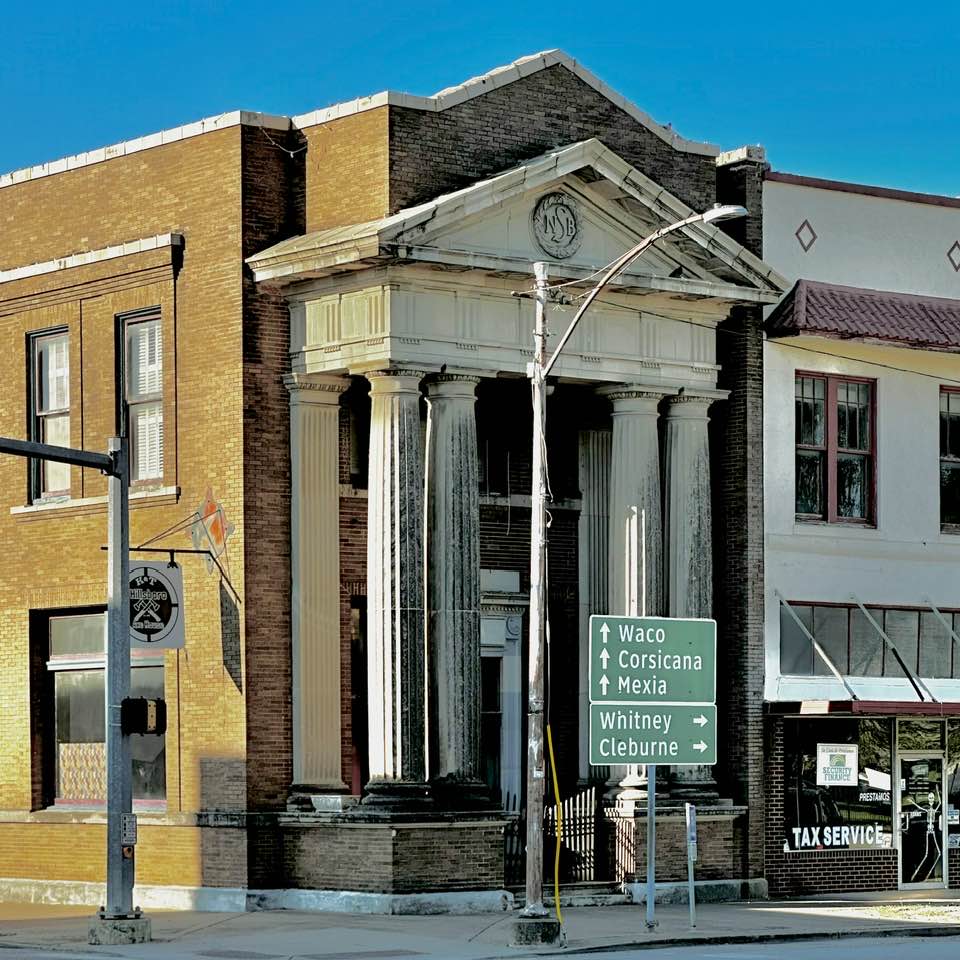
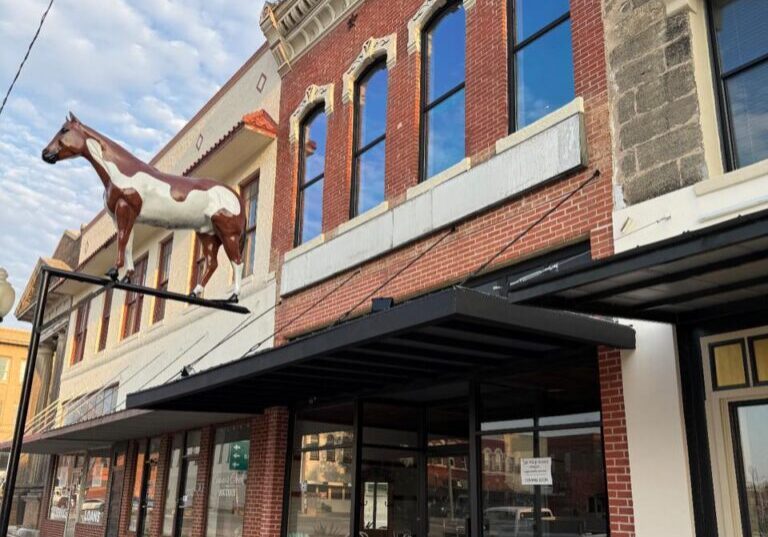
50 West Elm Street
Originally called the Sturgis National Bank, this building had a high Victorian gothic exterior when built in 1888 by Hughes and Company, a local architectural and building firm. The building was remodeled and the existing Greek revival exterior added after the turn of the century. The Sturgis National Bank was bought by Citizens National Bank which was organized in 1893.
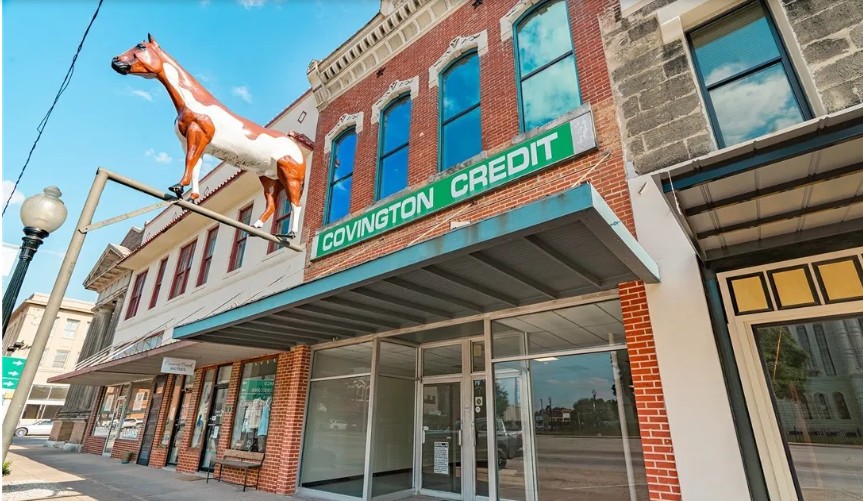
56 West Elm Street
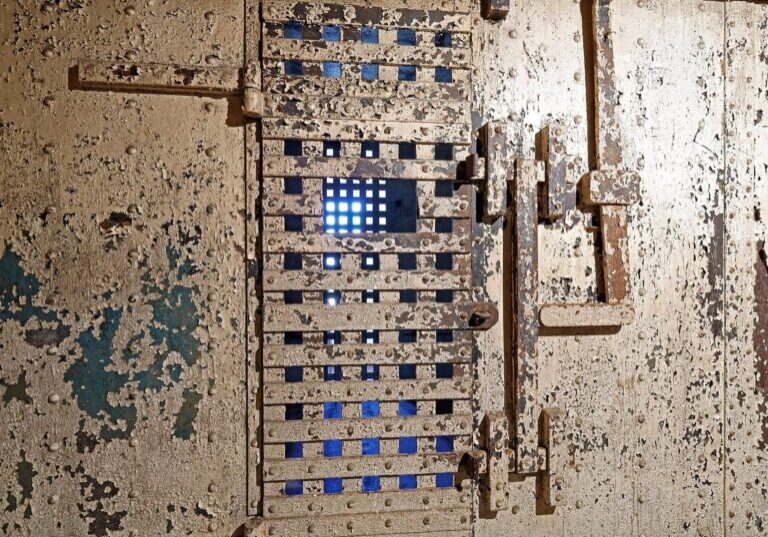
T.G. Hawkins built this structure in the 1880's and his name still appears in the pressed metal cornice. At that time, this was the Iron Front Saloon, and had iron bars on the front windows. In the 1890's, it was Louis Brin's dry goods store. In 1901, it became the Greek-American Candy Kitchen that maintained open hours from 7 am to midnight seven days a week.
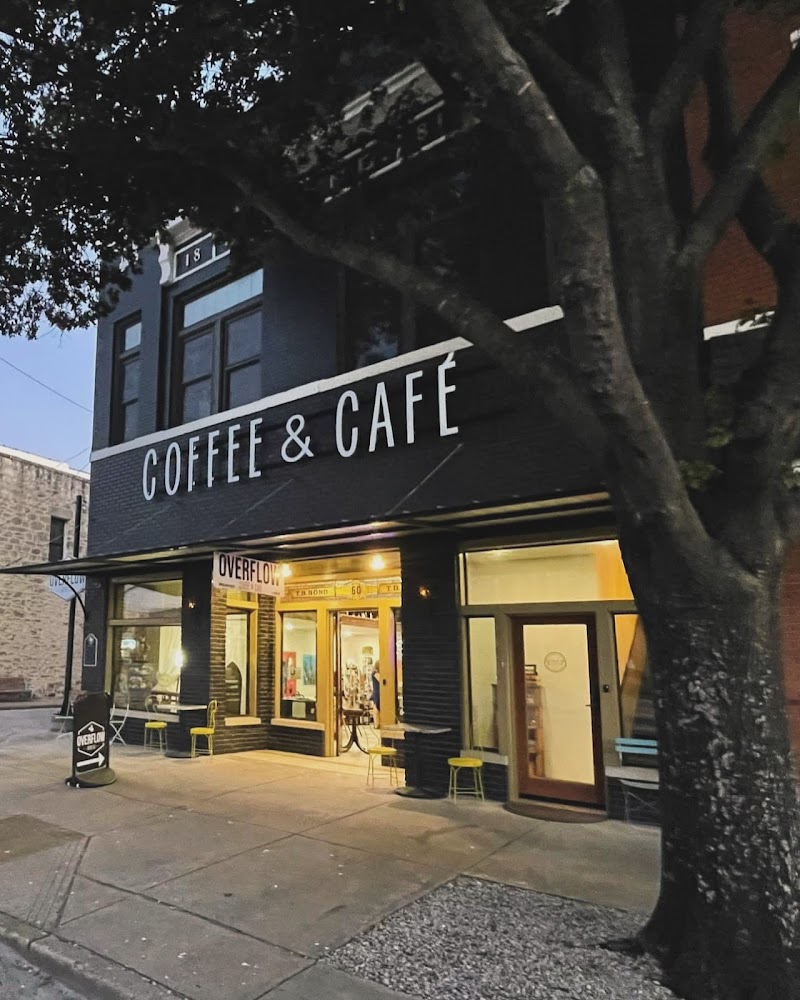
60 West Elm Street
This brick structure was built in 1886 by C.J. George and originally a grocery store. Dr. William Bond opened his drug store in 1881 as TB Bond Pharmacy. In 1895 Bond bought this building and moved his drug business into it, which was deemed to be the longest running continually operating pharmacy in Texas, which closed in 2018. The current facade dates from 1915 when fire gutted the building destoying the original gothic detailing.
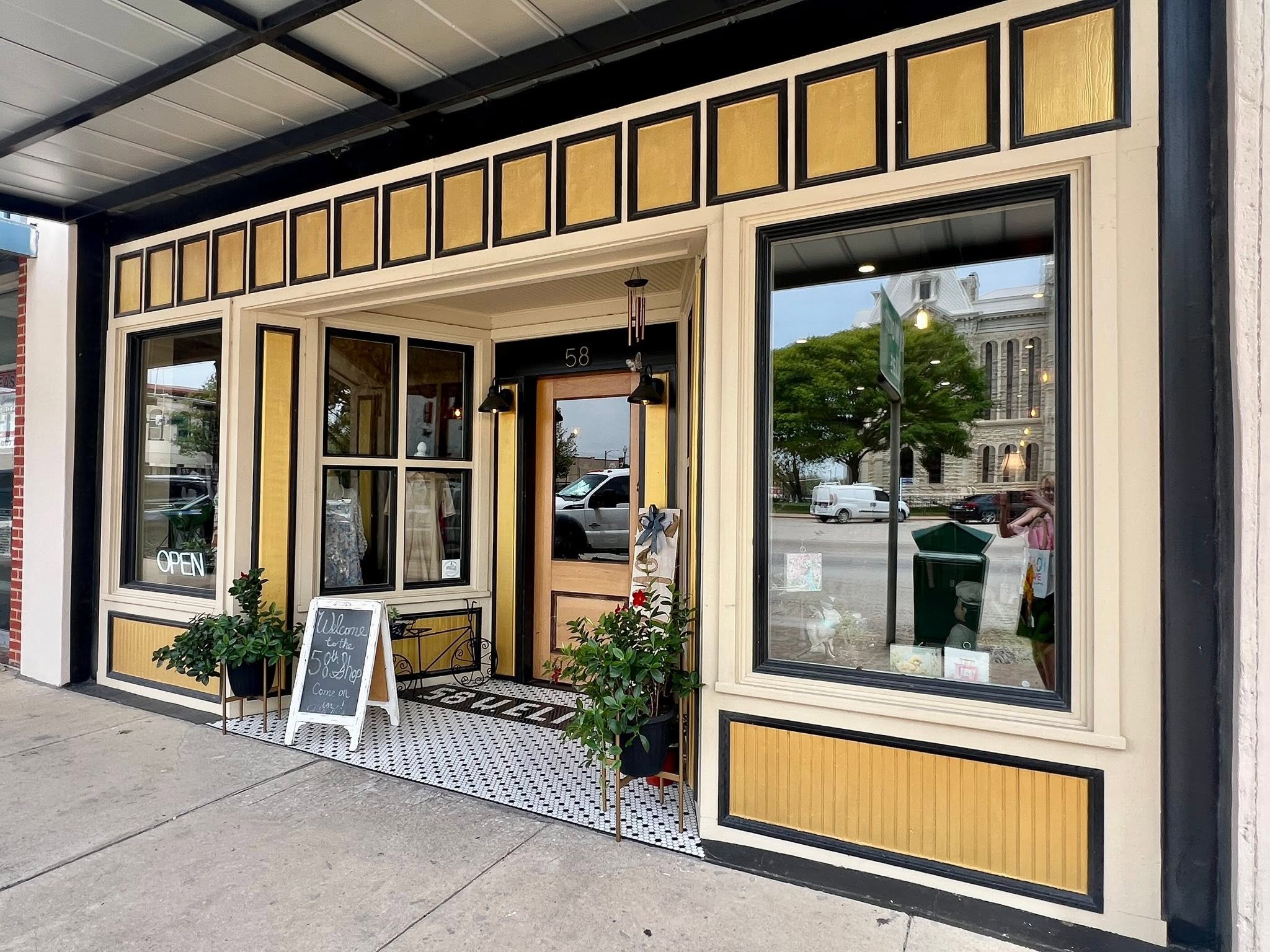
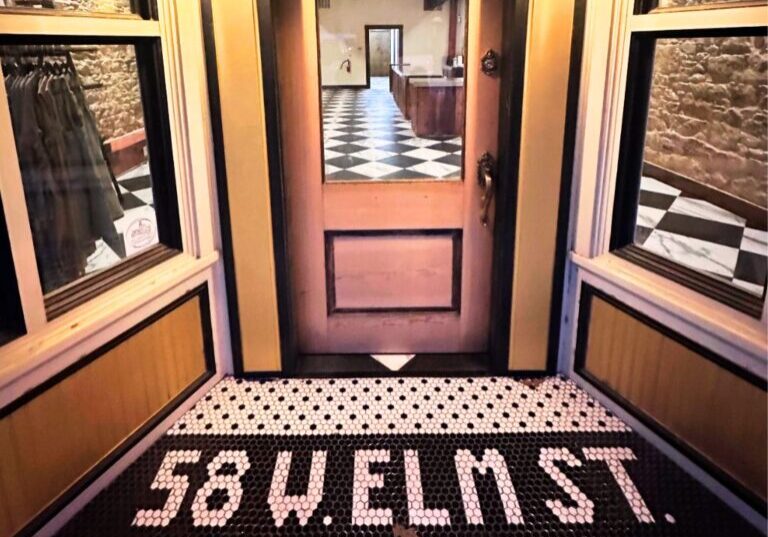
58 West Elm Street
Known as The Old Rock Saloon, and built in 1876, this is the oldest commercial building still in use in Hillsboro. Before the city-wide prohibition in 1893, and the county wide in 1904, it was the Rock Saloon and the Exchange Station. There were 27 saloons in the downtown area shortly before the turn of the century. The Rock Saloon was a notorious establishment with drinking on the first floor, and gambling and cockhighting on the second.
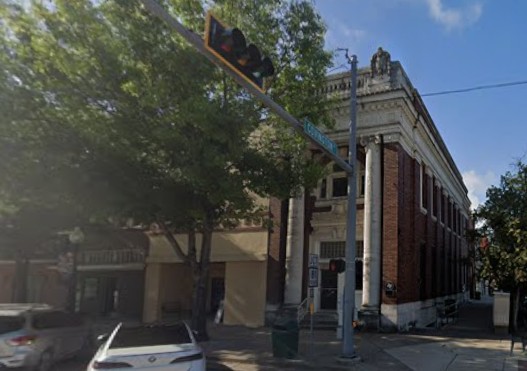
68 West Elm Street
Hill County National Bank built this structure in 1887. Farmer's National Bank bought the bank and moved from across the street. The current Classical Revival facade with stone detailing and two story colums is the result of a 1913 remodeling. The Farmer's National Bank continued in operation until 1931 when they were bought by Colonial Trust Company
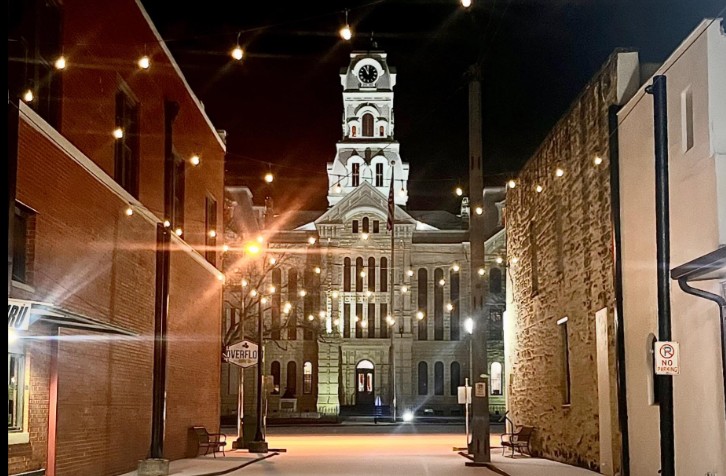
Bond's Alley
The Texas Historic Landmark sign in the alley reads: "Local site for politics, peddlers' shows, whittling, cockfights, fisticuffs. Named for T.B. Bond's Drug Store, located next door from 1881 and sheltering in bad weather people who usually sunned in alley. Early neighbors varied from a Chinese laundry to an auto assembly shop." The storied alley is also home to the annual Bond's Alley Art Festival weekend tradition held each second weekend in June.
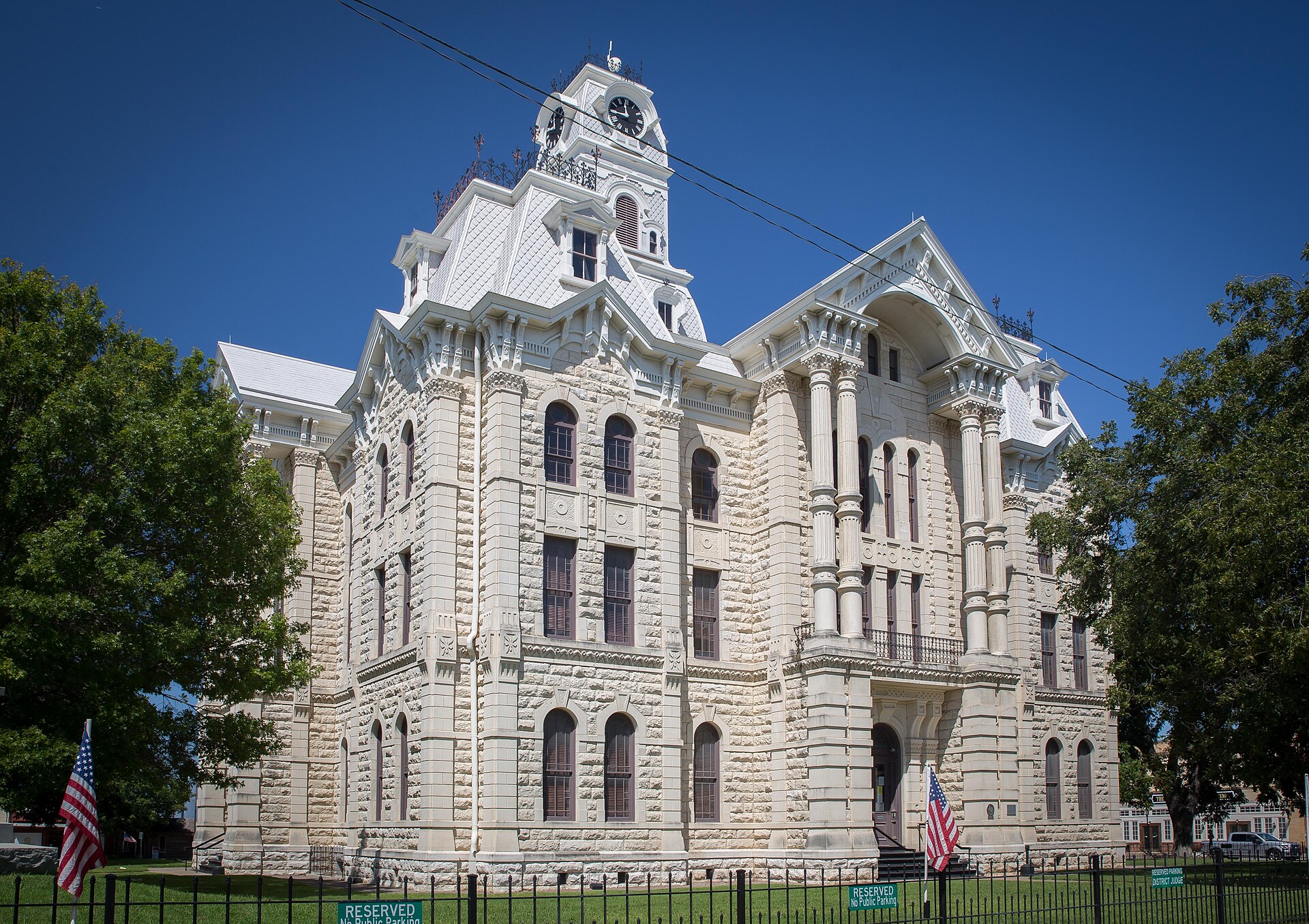
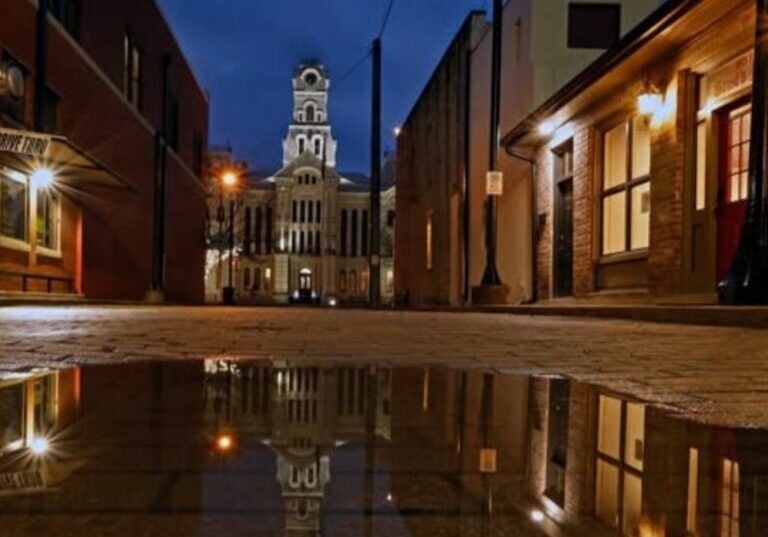
Hill County Courthouse
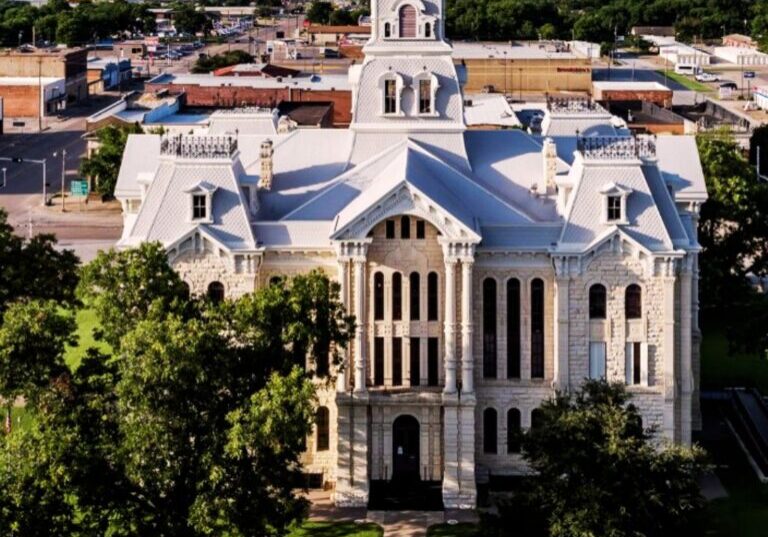
The courthouse building was completed in 1891 replacing the previous brick building that burned. The Second-Empire structure was designed by W.C.Dodson and built for a cost of $83,000. The Courthouse was destroyed by fire on January 1, 1993, and the destruction was nearly complete. The rebuild was completed and dedicated on April 24, 1999, with then Texas Governor George W Bush as the keynote speaker of the ceremony.